

Election security isn’t just about protecting voting machines or counting ballots accurately. It’s also about making sure voters have reliable information and know how to recognize scams designed to steal their personal information.
During election season, scammers may impersonate election officials, send fake voter registration alerts, or spread misleading information about when and where to vote.
The good news? A few simple precautions can help you protect your information and make sure you’re getting accurate voting instructions.
Here’s what to know about election security, the scams to watch for, and how to vote with confidence.
Key Takeaways
- Check your voter registration through your state’s official election website, not an unexpected text or email.
- Watch for election scams that ask for personal information, payment details, or immediate action.
- Verify voting information with state or local election officials before trusting social media posts or unfamiliar websites.
- Protect your online accounts with strong passwords and two-factor authentication.
- Report suspicious activity to election officials or the appropriate authorities.

What Is Election Security, and Why Does It Matter?
Election security refers to the measures used to protect voting systems, voter information, ballots, and election results from interference, errors, and cyber threats.
Election officials use safeguards that can include physical security, cybersecurity protections, paper records, and post-election audits to help protect the voting process.
But there’s another side to election security that affects voters directly: scams and misinformation.
Criminals can take advantage of election-related confusion to trick people into sharing sensitive information or visiting fraudulent websites.
Importantly, an election-related scam doesn’t necessarily mean an election system has been hacked. Scammers can impersonate election officials without gaining access to official voting systems.
Understanding that difference helps voters focus on the risks they can control.
What Are the Most Common Election Scams?
Election scams often rely on familiar tactics: impersonation, urgency, and requests for personal information.
Here are four warning signs to recognize.
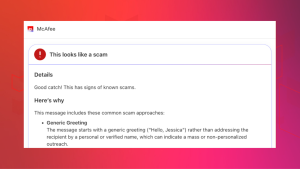
1) Fake Voter Registration Texts and Emails
You receive a text claiming your voter registration has expired or needs immediate verification.
The message includes a link to a website asking for personal information.
The risk: The link could lead to a phishing website designed to steal your information.
Phishing is when a scammer impersonates a trusted organization to trick you into revealing sensitive information, such as passwords or financial details.
What to do: Don’t use the link in an unexpected message. Instead, check your registration directly through your state’s official election website.
2) Calls Impersonating Election Officials
Someone calls claiming to represent an election office and asks for your Social Security number or credit card details to confirm your eligibility.
According to the Federal Trade Commission (FTC), scammers have used voter registration as a pretext to request sensitive personal and financial information.
What to do: Don’t provide sensitive information during an unsolicited call. Hang up and contact your election office using a verified phone number.
3) Fake Election Websites
Scammers may create websites that resemble official election resources.
These sites might claim to help you register, locate your polling place, or update your voter information.
What to do: Start with official government resources, such as USAGov, which directs voters to their state’s election information.
4) Misleading Voting Information
A social media post claims your polling location has changed, voting hours have been extended, or you can vote through an unfamiliar website.
The information may look credible, especially if it includes official-looking graphics or appears to come from a trusted source.
What to do: Verify voting instructions with your state or local election office before acting on or sharing them.
How Can You Check If You’re Registered to Vote?
The safest way to check your voter registration is through your state’s official election website.
You can find your state’s registration lookup tool through USAGov’s voter registration guide.
Check that:
- Your name and address are correct.
- Your registration status is active or otherwise eligible.
- Your assigned polling location is accurate.
- Any required updates are completed before your state’s deadline.
Registration deadlines vary by state, so check well before Election Day.
Remember: You don’t need to follow a link from an unexpected text to verify your registration. You can always start with an official election resource.
How Can You Tell If Election Information Is Real or Fake?
Election misinformation can spread through social media, text messages, emails, and even AI-generated audio or video.
Artificial intelligence can make it easier to create convincing messages that imitate real people or organizations. But the underlying scam tactic is familiar: convincing someone to trust a message without verifying its source.
Before believing or sharing election information, ask yourself:
- Who published it? Is it an official election office or a verified, reputable news organization?
- Can I confirm it? Does the information match what my state or local election office says?
- Is it creating unnecessary urgency? Be cautious of messages pressuring you to act immediately.
- Is it asking for personal information? Unexpected requests for passwords, payment information, or other sensitive details are warning signs.
The safest approach is simple: When voting information seems surprising or urgent, verify it before acting.
How to Vote Safely: 4 Election Security Tips
Protecting your vote starts with knowing where to find accurate information and how to recognize suspicious requests.
✓ 1. Verify Your Voting Information
Check your registration, polling location, voting hours, and identification requirements through official election resources.
Don’t assume your polling place is the same as it was during the last election.
✓ 2. Be Careful With Election-Related Links
Avoid clicking unexpected links claiming you need to update your registration or confirm your voting eligibility.
Instead, navigate directly to a trusted election website.
✓ 3. Protect Your Personal Information
Use strong, unique passwords for important online accounts, especially your email.
Turn on two-factor authentication wherever available. This adds another verification step that can help prevent someone from accessing your account with a stolen password.
✓ 4. Know How to Report Suspicious Activity
If you receive a suspicious election-related message, don’t respond or provide personal information.
Report suspected scams to the ReportFraud.ftc.gov.
If you experience voter intimidation, misleading voting instructions, or another potential voting rights violation, contact your state or local election office. You can also find reporting guidance through USA.gov/Voter-Fraud.
What Should You Do If You Fall for an Election Scam?
If you’ve clicked a suspicious election-related link or shared personal information, take action to protect yourself.
- If you clicked a suspicious link: Avoid entering additional information. If you downloaded a file or installed an unfamiliar application, run a security scan.
- If you shared a password: Change it immediately through the legitimate website. Update any other accounts using the same password and enable two-factor authentication.
- If you shared financial information: Contact your bank or credit card provider using its official contact information.
- If you shared your Social Security number: Visit IdentityTheft.gov for guidance on protecting your identity.
- If you received misleading voting instructions: Contact your local election office to confirm the correct information and report the suspicious message.
Taking action quickly can help limit the damage.
Election Security FAQ
Can someone steal my vote using my personal information?
Stolen personal information can be used for identity theft or attempted voter impersonation, but possessing someone’s information does not automatically allow a criminal to cast a ballot in their name. Election procedures and safeguards vary by state.
If you suspect someone has misused your voter information, contact your local election office.
Is it safe to register to vote online?
Yes, when your state offers online voter registration and you use its official registration website.
Avoid entering personal information on unfamiliar websites or through unsolicited links.
Can scammers send fake voter registration texts?
Yes. Scammers may send messages claiming your registration needs urgent attention to trick you into visiting a fraudulent website or sharing sensitive information.
Always verify registration information through your state’s official election resources.
Can AI be used to spread election misinformation?
Yes. AI tools can generate realistic-looking images, audio, videos, and written messages that may be used to mislead voters.
Don’t assume something is authentic simply because it looks or sounds convincing. Verify important voting information with election officials.
Where can I find accurate information about voting?
Start with USA.gov/voting or your state or local election office.
These resources can help you confirm registration requirements, polling locations, voting methods, and important deadlines.
Stay Informed and Vote With Confidence
Election security involves many safeguards, but protecting yourself from scams doesn’t have to be complicated.
Verify information through official sources, be cautious of unexpected requests for personal details, and take a moment to investigate suspicious messages before responding.
A little preparation can help you avoid election scams, protect your personal information, and focus on what matters: making your voice heard.
Stay Updated
Follow us to stay updated on all things McAfee and on top of the latest consumer and mobile security threats.